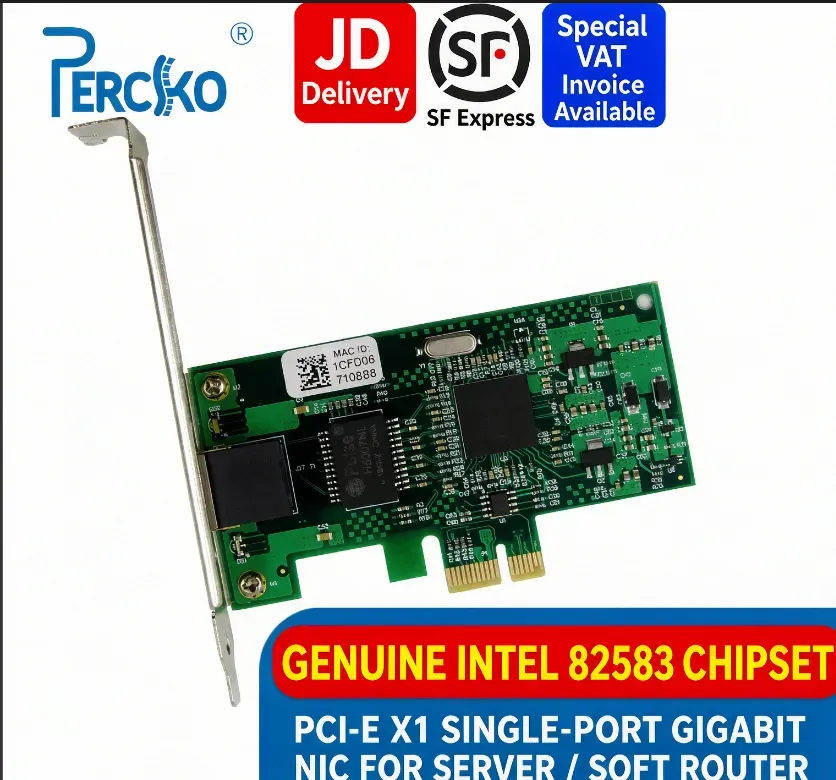

If you’ve been shopping for a cheap single-port gigabit NIC, you’ve seen the same old Intel chip numbers over and over. The 82583V is the youngest of that crowd, and it’s the one I’d actually pick if I were building something small and fanless. Here’s the short version of why — and where it’ll disappoint you.
The first thing that stands out is how tiny the chip is. Intel fit the whole controller into a 9 by 9 millimeter, 64-pin QFN package, built on a 90-nanometer low-power process. The older 82573, by comparison, is a 15 by 15 millimeter part. That size difference is why these cards are so short, so cheap, and so easy to stuff into a low-profile case.
Then there’s power, which is the real reason to care. Intel rates it at under 750 milliwatts at a full gigabit link, under 300 milliwatts at 100 megabit, and the ARK listing puts TDP at about 0.73 watts. My favorite number though is the idle one: unplug the cable and the datasheet puts it around 45 milliwatts. If this card is going to sit in a cupboard running 24/7 for five years, that’s the number that actually shows up on your electricity bill.
It’s a PCIe x1 part running at 2.5 GT/s, which sounds ancient until you do the math — one lane gives you roughly 2 gigabits per second each way, and a full-duplex gigabit link only needs one. You have headroom, and you can drop the card into a x4, x8 or x16 slot without thinking about it. Intel also rates it from 0 to 85 degrees Celsius, which is wide enough that it happily lives in fanless routers and industrial boxes that bake all summer.
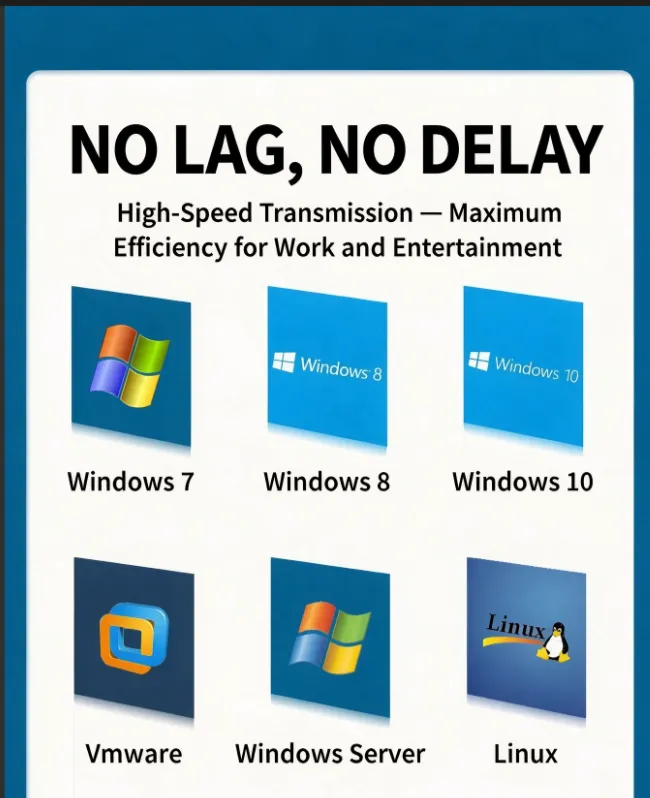
The reason to buy Intel over the cheaper stuff is still drivers. This chip runs on e1000e, which has been in the Linux kernel forever. Install pfSense, OPNsense, OpenWrt, Proxmox, Debian or RouterOS and the card is simply there — no driver hunt, no guessing which revision you got. You also get hardware VLAN tagging with up to 4096 tags, checksum and TCP segmentation offloading to take load off a weak CPU, PXE boot, and Wake-on-LAN. For a router or a small home server, that’s everything you’d actually use.
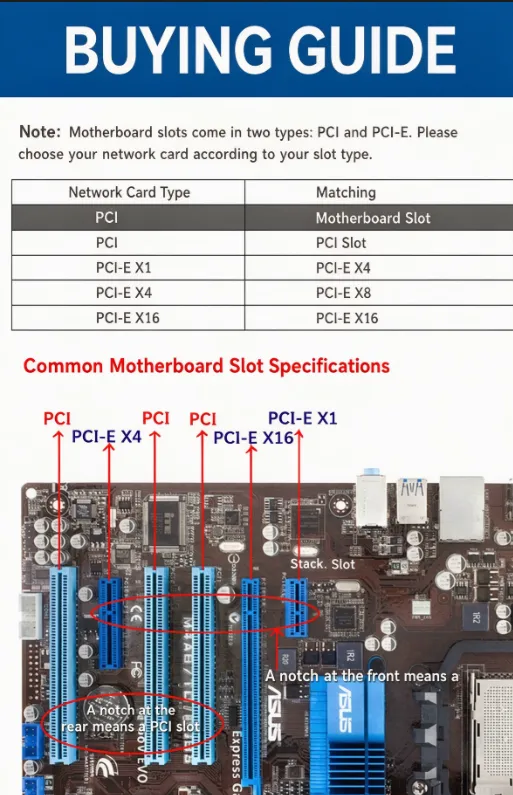
Now the honest part. It’s a gigabit chip and nothing more — no 2.5G, no 10G, and Intel has long since retired it, so you’re buying mature silicon, not something with a long future. The market is also full of pulled and relabeled chips, so buy from somewhere that accepts returns rather than chasing the absolute lowest price. And double-check your slot: this is PCIe, not old-school PCI.
If you need a cheap, cool, low-profile gigabit port that just works on first boot, the 82583V is genuinely hard to beat. If you need more than a gigabit, or jumbo frames, or a warranty you can lean on, look elsewhere.